Gaya Ji Pind Daan Guide – Perform Sacred Pind Daan in Gaya with Experienced Pandit Ji
For countless Hindu families, Gaya Dham is more than a pilgrimage destination—it is a sacred place where generations come together in remembrance. Every year, devotees from India and abroad travel to this holy city to perform Pind Daan in Gaya, seeking peace for the departed souls of their parents, grandparents, and ancestors.
According to Hindu scriptures, offering Gaya Pind Daan is one of the highest acts of gratitude towards one’s forefathers. The rituals performed here are believed to help departed souls attain peace and support the family’s spiritual well-being. Because of this deep religious significance, Gaya has remained one of the most revered pilgrimage destinations since ancient times.
This Gaya Ji Pind Daan Guide has been created to help devotees understand the importance of the rituals, the sacred places where they are performed, and the traditional process followed according to Hindu customs. Whether you are visiting for the first time or returning to fulfill your ancestral duties, this guide will help you prepare for a meaningful spiritual journey.
TRUSTED VEDIC RITUALS
Sacred Puja Services at Gaya Ji
For generations, devotees have travelled to Gaya Ji to honour their ancestors and seek divine blessings through time-honoured Vedic rituals. We respectfully assist families in performing each ceremony according to Hindu traditions, ensuring a peaceful and meaningful spiritual experience.
Verified Pujari
Complete Puja Samagri
Authentic Vedic Rituals
Guided Support
gaya pind daan puja
Our Religious Services
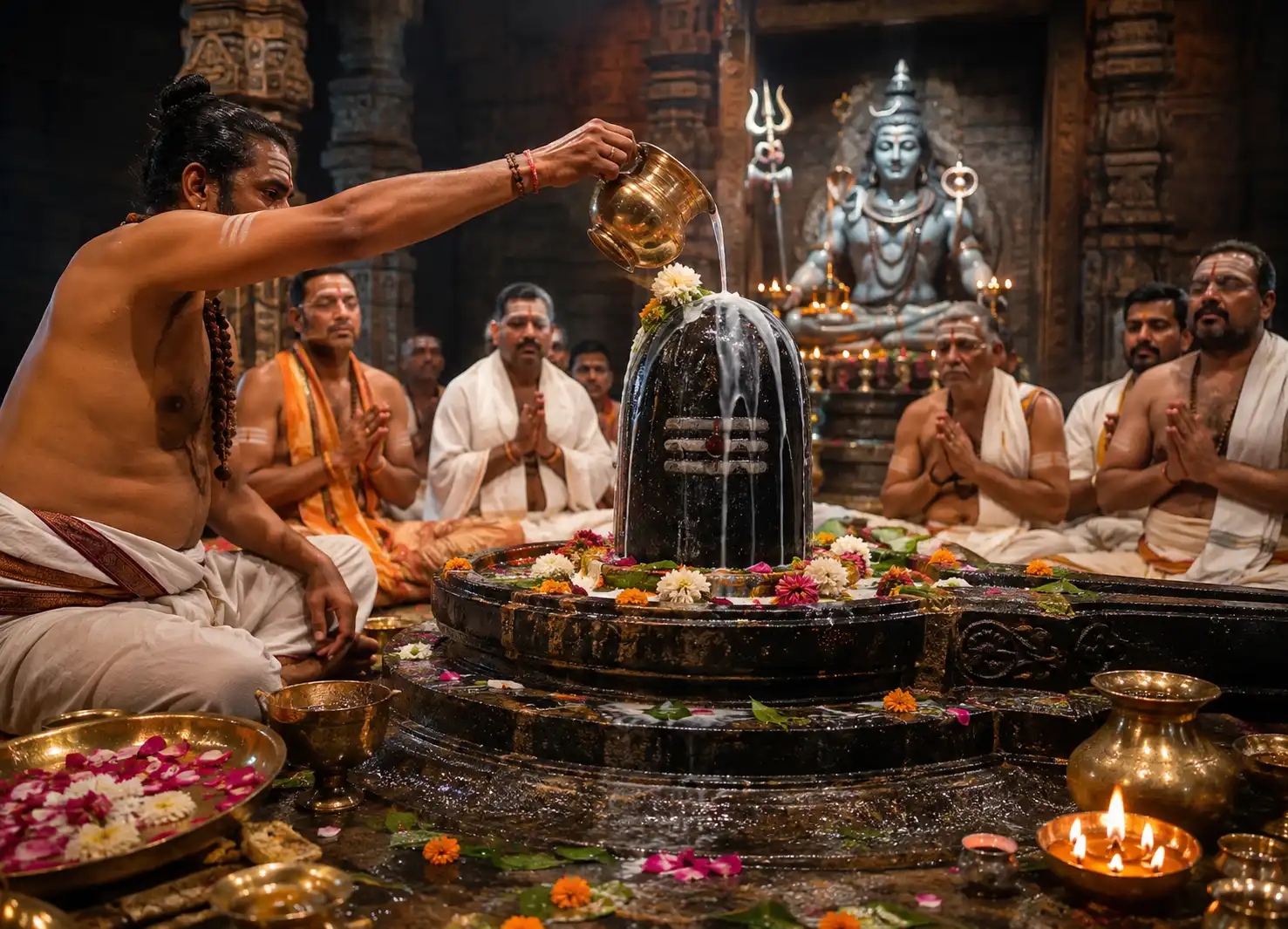
Every family has different religious requirements. Following traditional Vedic practices, we assist devotees in performing various ancestral rituals with proper guidance and respect.
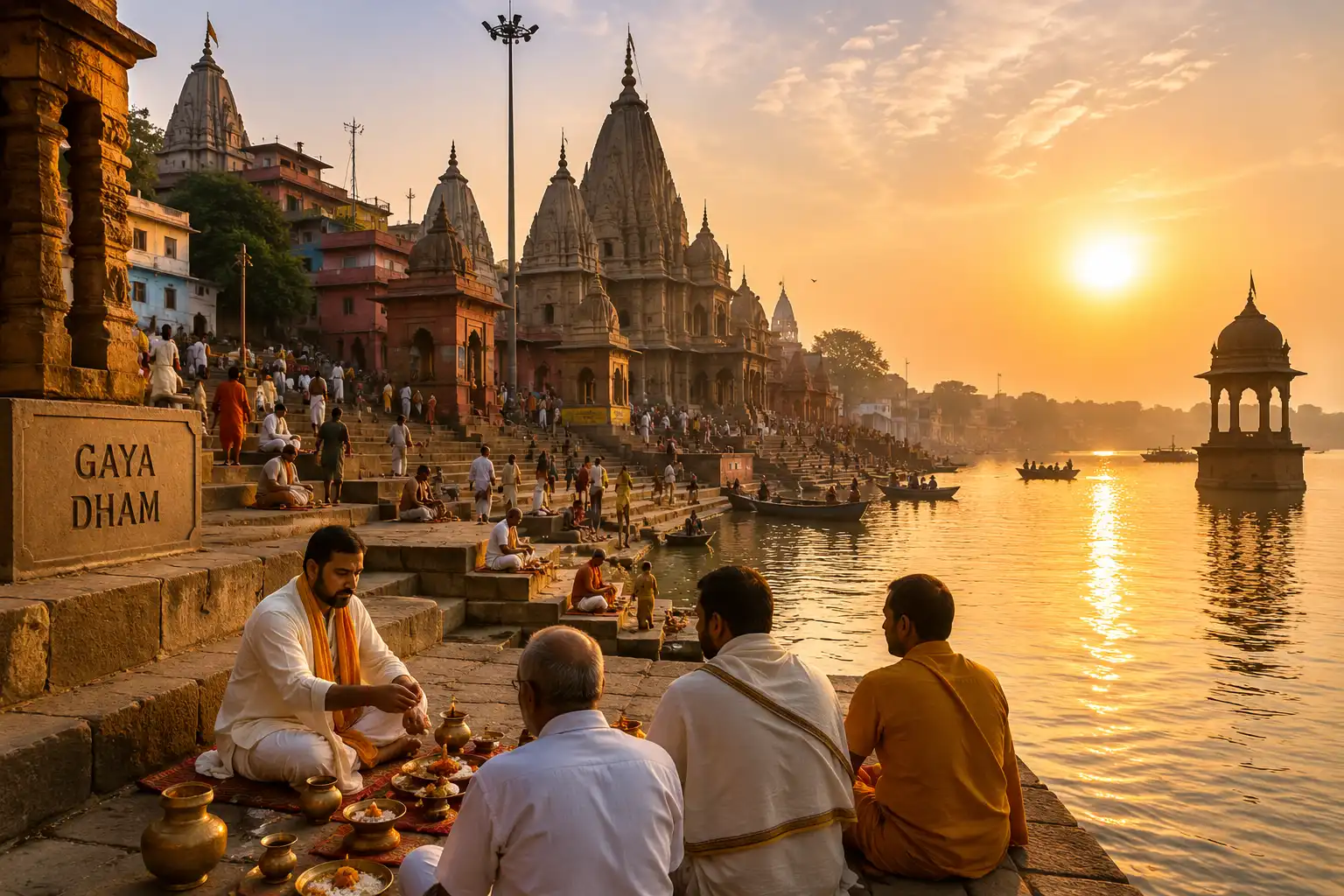
Welcome to Gaya Dham – The Eternal Land of Ancestor Worship
Located in the historic city of Gaya, Bihar, Gaya Dham occupies a unique place in Hindu tradition. Scriptures including the Garuda Purana, Vayu Purana, and Mahabharata describe Gaya as the most sacred place for performing Shradh in Gaya and offering Pind Daan to departed ancestors.
Unlike many other pilgrimage destinations, Gaya is dedicated primarily to the worship and remembrance of ancestors. Devotees believe that rituals performed here carry exceptional spiritual merit because Lord Vishnu Himself is believed to have blessed this holy land.
For centuries, families have travelled from every corner of India—and today from countries around the world—to complete their ancestral rites in accordance with Vedic traditions. The timeless customs continue to be preserved by experienced Gayawal Pandits who guide every ritual with devotion and scriptural knowledge.
Why is Pind Daan Performed in Gaya?
According to Hindu philosophy, every individual carries three sacred responsibilities in life:
- Deva Rin (debt towards the gods)
- Rishi Rin (debt towards sages and teachers)
- Pitra Rin (debt towards ancestors)
Among these, Pitra Rin is fulfilled by remembering our ancestors with gratitude and performing the prescribed rites after their passing.
The Garuda Purana explains that when descendants sincerely offer Pind Daan with faith and proper rituals, it is believed to help the departed soul progress peacefully on its spiritual journey. This sacred act also reflects gratitude for the sacrifices made by previous generations, whose blessings continue to shape the family’s future.
For this reason, many Hindu families consider Gaya Shradh an essential religious duty rather than merely a tradition.
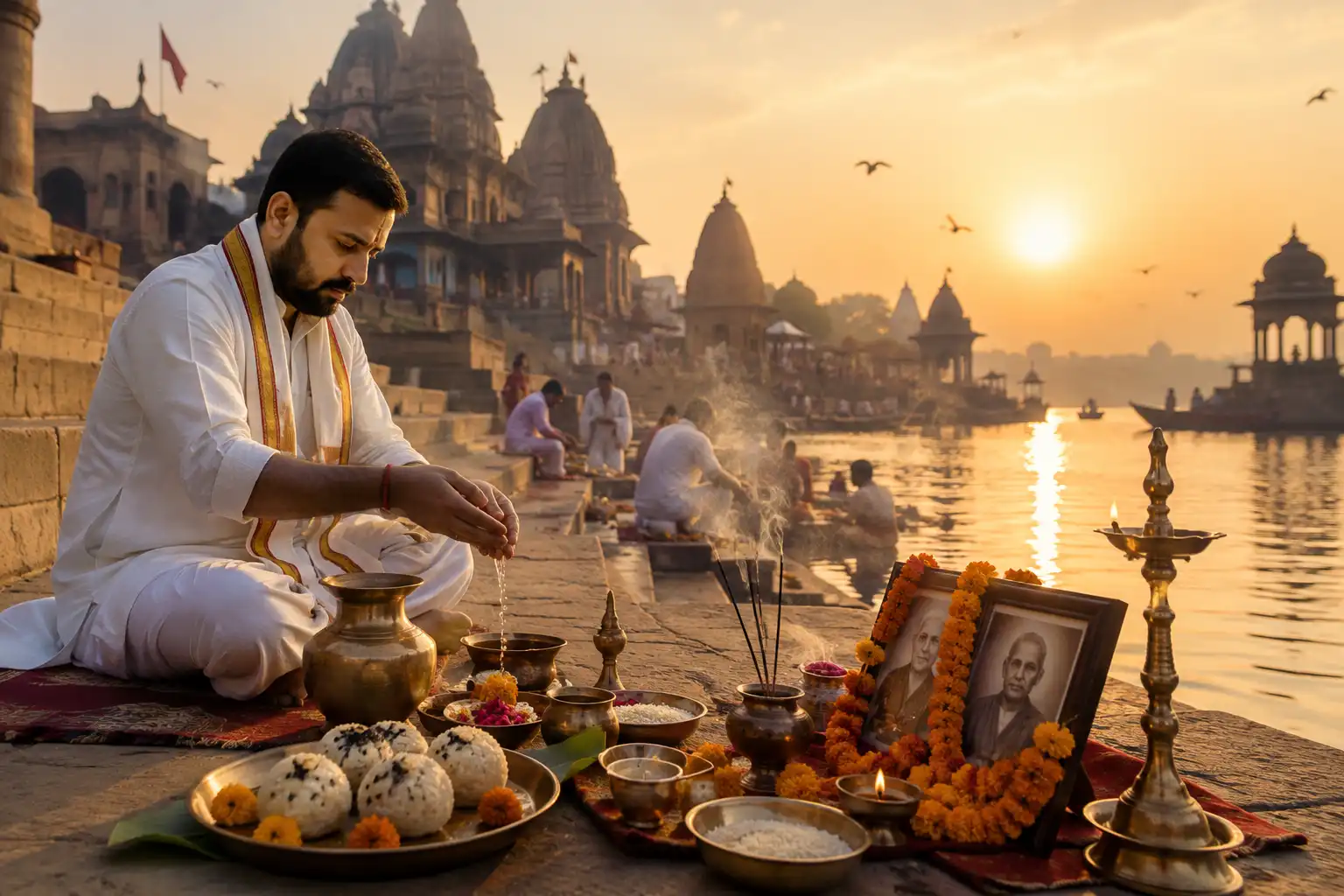
What is Pind Daan?
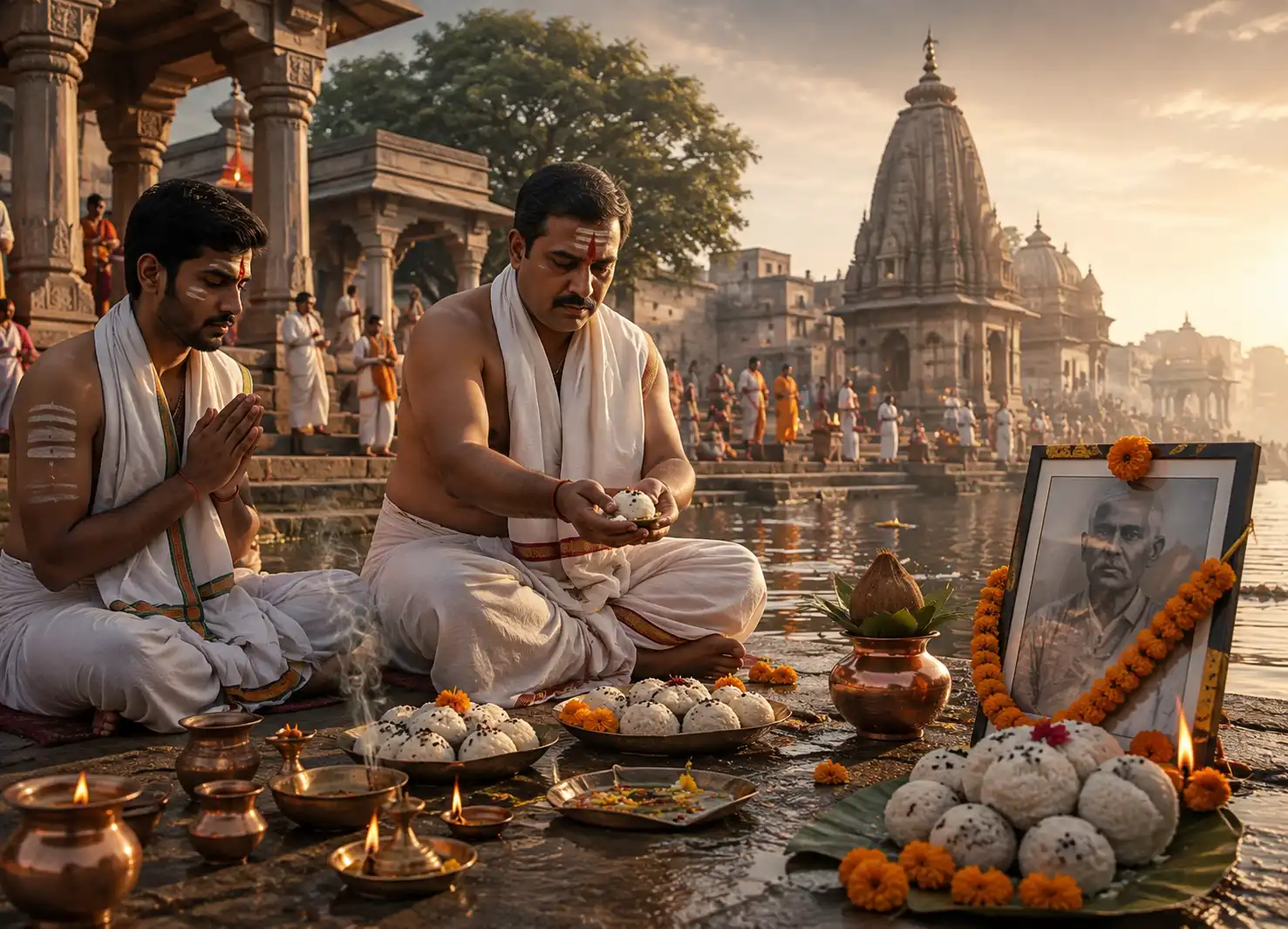
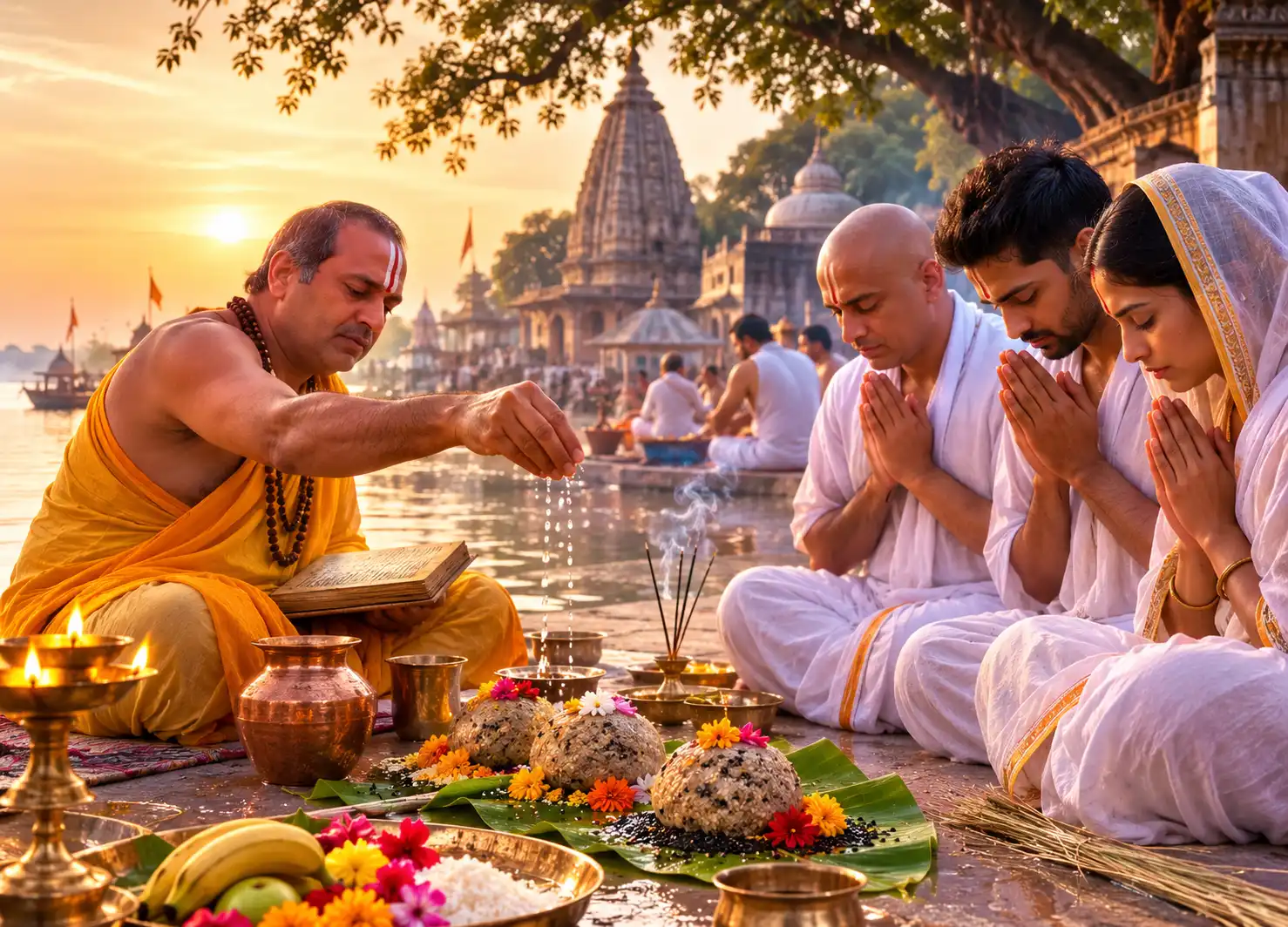
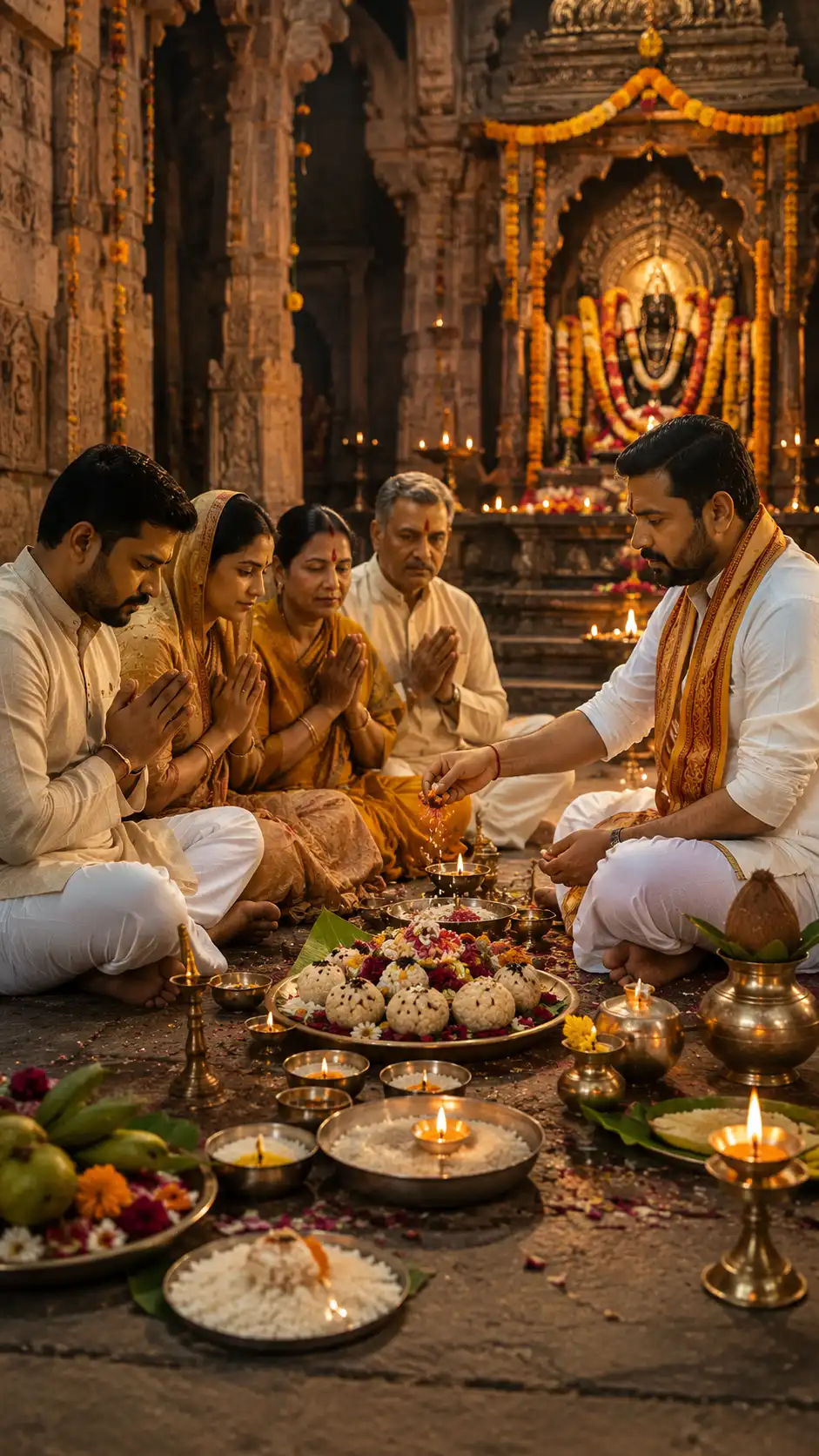
Pind Daan is an ancient Vedic ritual in which rice balls, barley flour, black sesame seeds, and other sacred offerings are prepared and dedicated to departed ancestors while chanting Vedic mantras.
These symbolic offerings represent nourishment, remembrance, and respect for the souls of one’s forefathers. The ceremony is conducted by a knowledgeable priest who guides devotees through each step according to scriptural traditions.
Although Pind Daan can be performed at several sacred places across India, Hindu scriptures place Gaya Ji at the highest spiritual position because of its unique association with Lord Vishnu and the legend of Gayasura.
Ancient scriptures narrate the story of Gayasura, a powerful and devoted demon whose intense penance earned him extraordinary spiritual purity. It is said that anyone who merely saw Gayasura attained liberation, causing concern among the celestial beings.
The gods sought Lord Vishnu's guidance, who requested Gayasura to offer his body for a grand sacrificial ritual. Gayasura willingly accepted, demonstrating complete devotion.
Lord Vishnu then placed His divine footprint upon Gayasura, blessing the land forever. According to tradition, this sacred footprint is preserved today inside the revered Vishnupad Temple, making it one of the holiest places for ancestor worship.
Because of this divine blessing, devotees believe that rituals performed in Gaya receive the grace of Lord Vishnu and bring spiritual peace to departed souls.
The spiritual significance of Gaya extends far beyond its ancient history. Families continue to visit because Hindu tradition regards this sacred city as the most auspicious place to honour ancestors.
Many devotees come to:
- Perform Pind Daan for parents, grandparents, and forefathers.
- Observe annual Shradh ceremonies.
- Seek relief through Pitra Dosh Puja when advised by knowledgeable priests or astrologers.
- Complete pending ancestral rites that could not be performed earlier.
- Pray for the peace, satisfaction, and spiritual upliftment of departed souls.
For many families, the journey to Gaya becomes an emotional experience that strengthens their connection with both faith and family heritage.
One of the unique aspects of Pind Daan in Gaya is that the ceremony is performed across several holy sites, each carrying its own spiritual significance. Depending on family tradition and the prescribed rituals, devotees may visit different locations under the guidance of an experienced Gayawal Pandit.
Some of the most revered places include:
Vishnupad Temple
The Vishnupad Temple is the spiritual heart of Gaya. Dedicated to Lord Vishnu, it houses the sacred footprint believed to mark the spot where the Lord blessed Gayasura. Offering prayers here is considered an integral part of the pilgrimage and holds deep religious significance.
Phalgu River
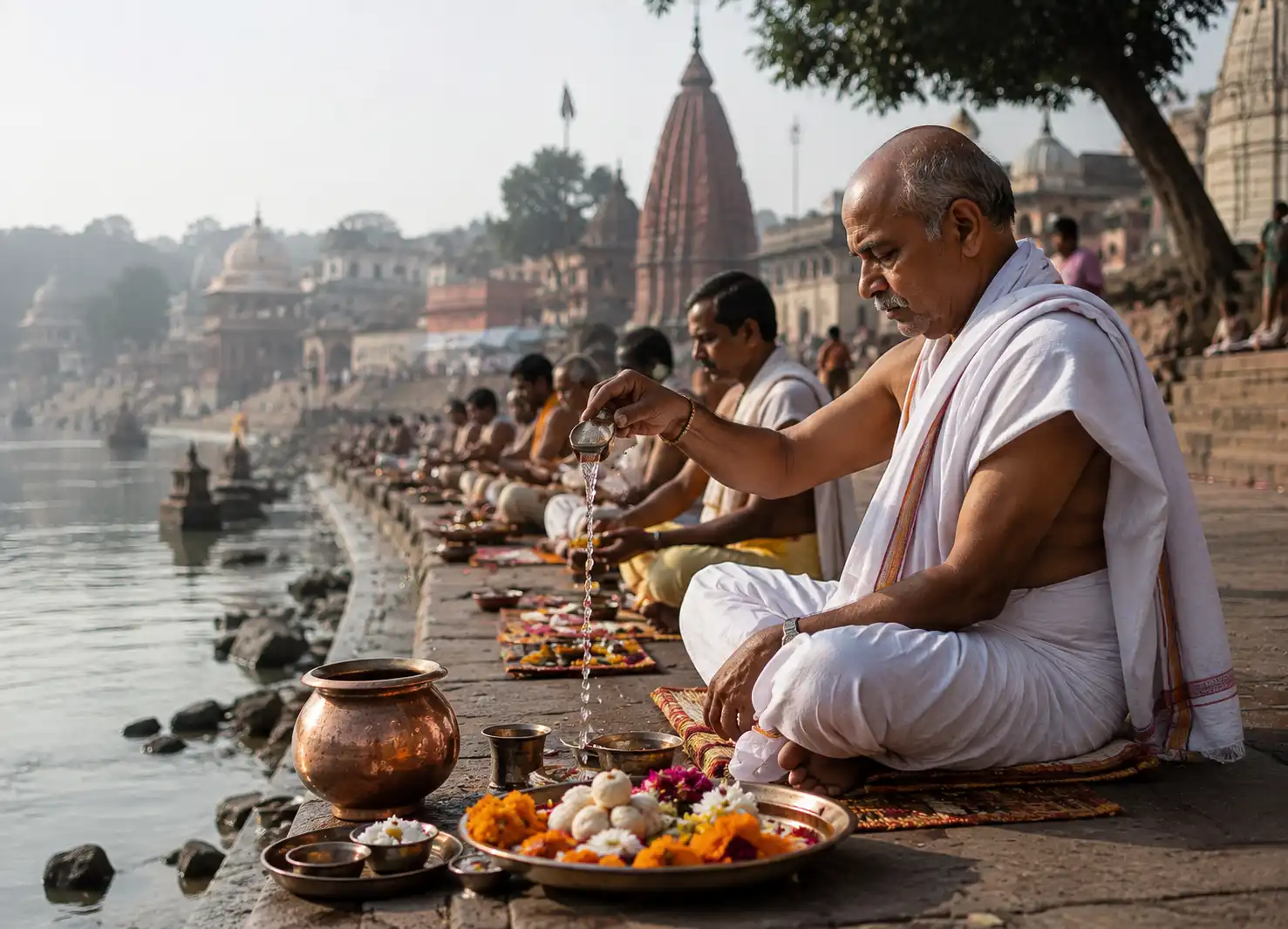
The Phalgu River has long been associated with ancestral rituals. Devotees gather on its banks to perform sacred offerings while priests recite Vedic mantras. The river is also linked with the famous episode of Mata Sita performing Shradh for Lord Rama's father, King Dasharatha.
Akshayavat Tree
The ancient Akshayavat Tree symbolizes eternity and divine blessings. According to tradition, offerings made here are believed to remain spiritually fruitful forever. Visiting this sacred tree forms an essential part of many ancestral rites performed in Gaya.
Pretshila Hill
Pretshila is another highly revered site where rituals are performed for souls believed to require special prayers for peace. Many families include this location as part of their complete Gaya Shradh ceremony.
Ramshila Hill
Associated with Lord Rama's visit to Gaya, Ramshila is considered an auspicious place for offering prayers and paying homage to departed ancestors.
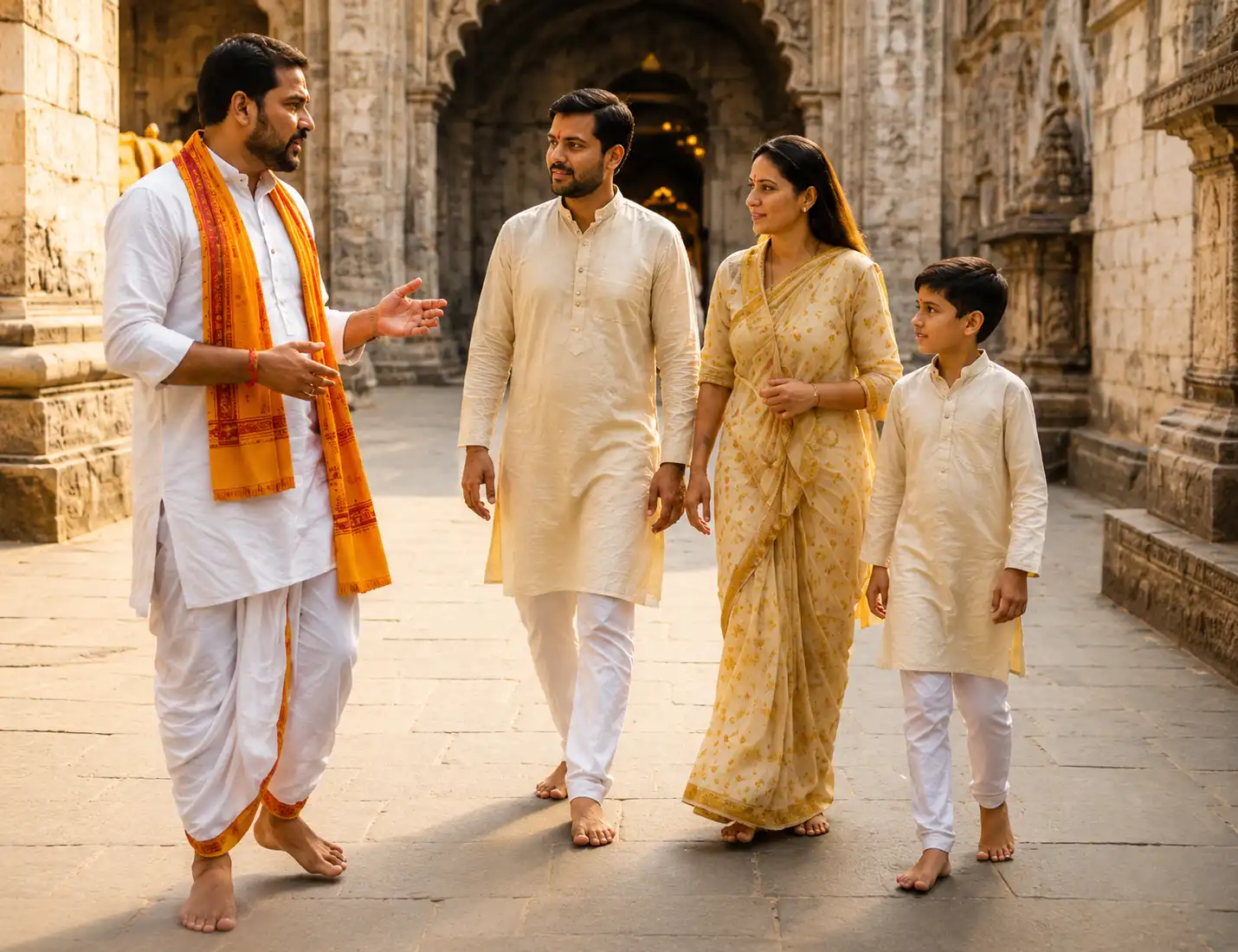
Performing ancestral rites requires both scriptural knowledge and careful attention to tradition. For this reason, devotees often seek the guidance of experienced Gayawal Pandits who have inherited these sacred responsibilities through generations.
Pt. Prasant Bhaiya has been assisting families visiting Gaya Ji with traditional Vedic rituals conducted according to established customs. From helping devotees understand the ritual process to ensuring every ceremony is performed respectfully, the focus remains on preserving the sanctity of this sacred pilgrimage.
Whether you are visiting from another state or travelling from overseas, proper guidance can make your spiritual journey more organised, meaningful, and stress-free.
Far far away, behind the word mountains, far from the countries Vokalia and Consonantia, there live the blind texts. Separated they live in Bookmarksgrove right at the coast
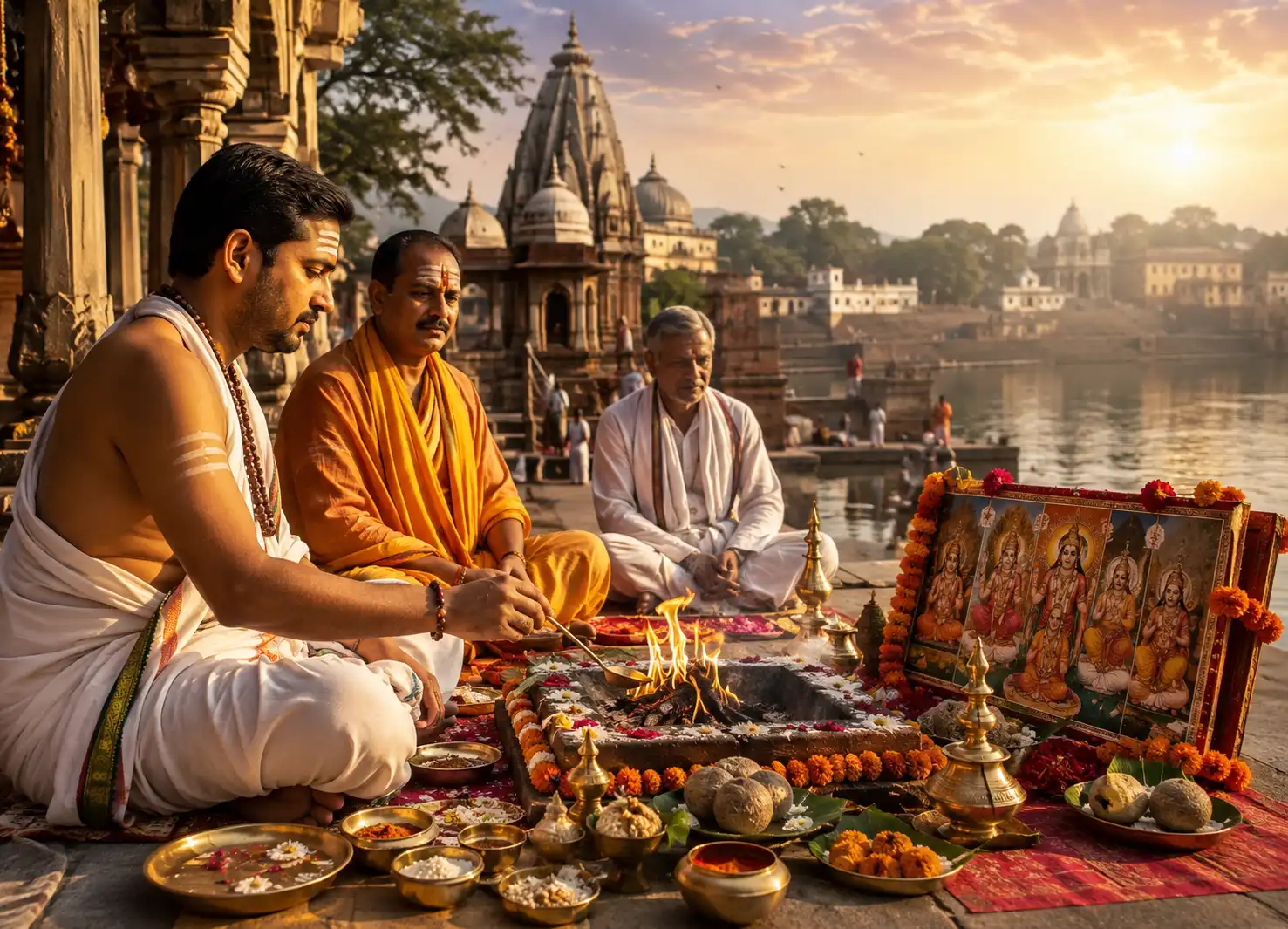
Performing Pind Daan in Gaya is a deeply spiritual ceremony carried out according to traditions preserved by Gayawal Pandits for generations. Although the sequence may vary slightly depending on family lineage, Gotra, and the guidance of the officiating priest, the core rituals remain rooted in the Vedic scriptures.
When devotees arrive in Gaya, they are first welcomed and guided through the entire process so that every ritual is performed with understanding and devotion rather than confusion.
Step 1 – Sankalp (Sacred Resolution)
The ceremony begins with Sankalp, a solemn vow taken before the deities and sacred rivers. During this ritual, the devotee states their name, Gotra, family lineage, and the purpose of performing Pind Daan. This formal declaration establishes the spiritual intention behind the ceremony.
Step 2 – Holy Bath and Purification
Before offering prayers, devotees traditionally purify themselves through a ritual bath at a sacred water body or as instructed by the priest. Purification symbolizes leaving behind worldly distractions and approaching the ancestral rites with a pure mind and sincere heart.
Step 3 – Offering Pind
The central part of the ceremony involves preparing Pind, traditionally made from rice flour, barley, black sesame seeds, and other sacred ingredients prescribed in the scriptures.
Each offering is dedicated to departed ancestors while Vedic mantras are recited. These offerings express gratitude, remembrance, and prayers for the spiritual peace of the departed souls.
Step 4 – Tarpan
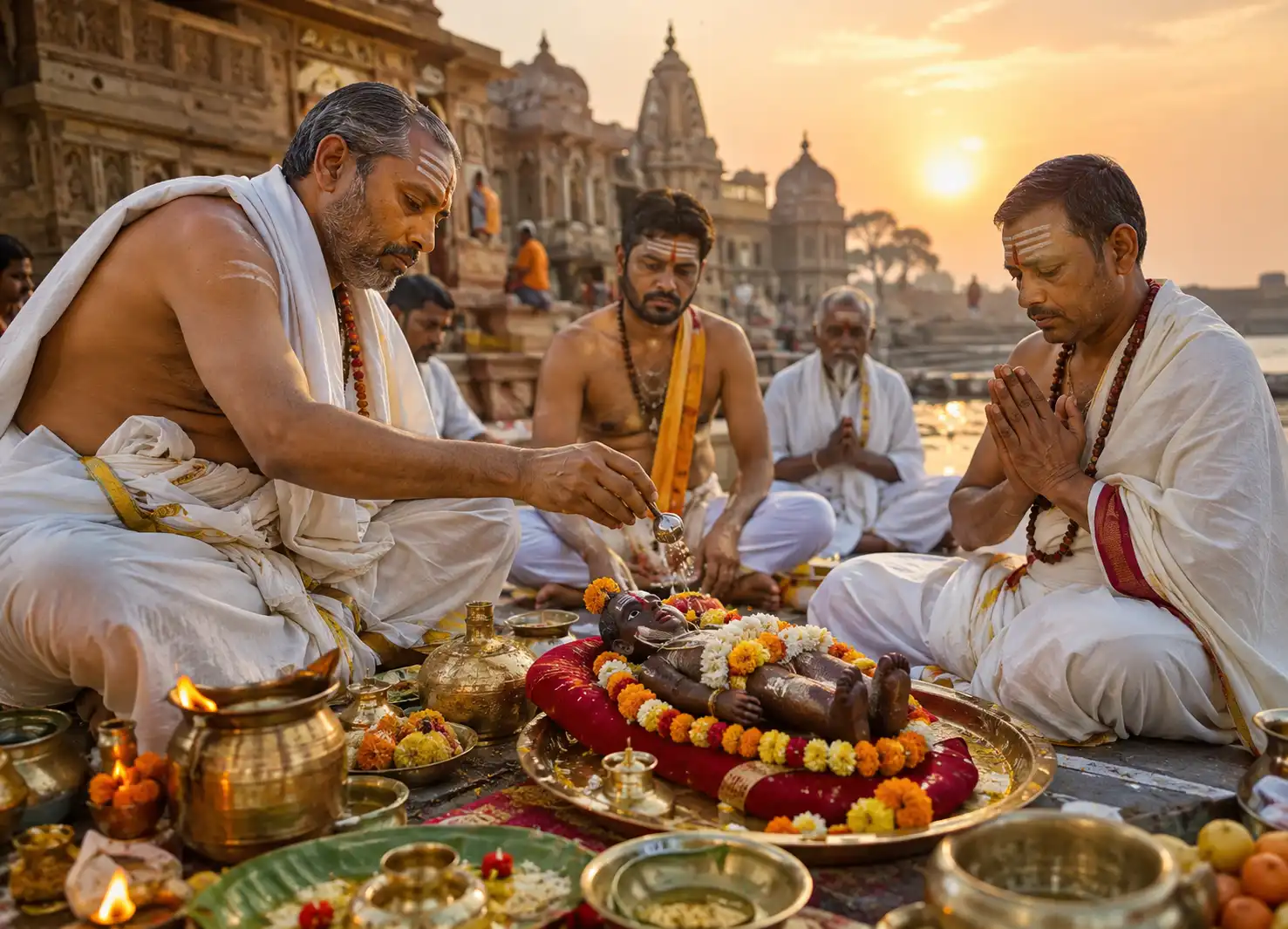
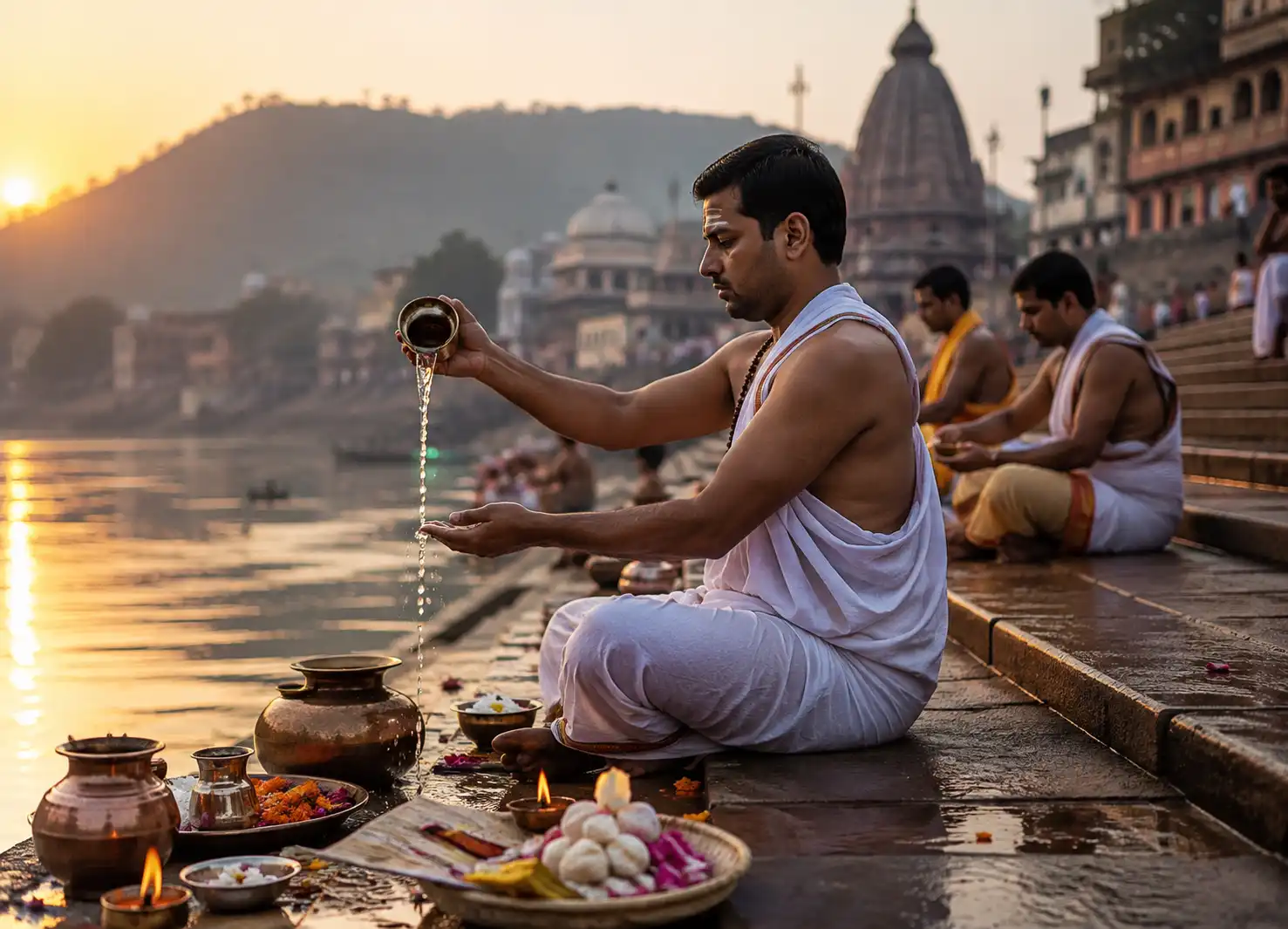
After Pind Daan, Tarpan is performed by offering water mixed with black sesame seeds while invoking the names of ancestors. According to Hindu tradition, this ritual symbolizes respect, satisfaction, and remembrance for previous generations.
Step 5 – Brahmin Bhojan and Charity
Many families conclude the ceremony by offering food, clothing, or donations according to their traditions and capacity. Charity performed with humility is regarded as an expression of gratitude and compassion and forms an integral part of many Shradh ceremonies.
Many people believe that Pind Daan is performed only after the death of parents. In reality, Hindu scriptures describe several occasions when these ancestral rites may be observed.
A devotee may perform Pind Daan for:
Father
Mother
Grandparents
Great-grandparents
Husband or wife
Other departed family members
Ancestors whose Shradh was never performed
Souls remembered collectively during Pitru Paksha
If you are unsure about the appropriate ritual for your family, an experienced Gayawal Pandit can guide you according to your family traditions and scriptural practices.
One of the most common questions devotees ask is whether there is a specific time to visit Gaya.
According to Hindu tradition, Pind Daan at Gaya Ji can be performed throughout the year. However, certain occasions are considered especially auspicious.
These include:
- Pitru Paksha (Mahalaya Paksha) – the most sacred fortnight dedicated to ancestors.
- Amavasya (New Moon Day).
- Death Anniversary (Tithi Shradh).
- Somvati Amavasya.
- Other auspicious dates recommended by the family priest.
Many families also visit Gaya whenever circumstances allow, believing that sincere devotion is more valuable than waiting for a particular date.
A traditional Gaya Ji Pind Daan Guide includes visits to several spiritually significant locations. Each site has its own history and importance within Hindu tradition.
Vishnupad Temple
The Vishnupad Temple is the centre of pilgrimage in Gaya. Built over the sacred footprint of Lord Vishnu, the temple attracts devotees from across the world who come to seek divine blessings before performing ancestral rites.
Phalgu River
The banks of the Phalgu River have witnessed Shradh ceremonies for centuries. Scriptures associate this river with Mata Sita's offering to King Dasharatha, making it one of the most revered places for Tarpan and Pind Daan.
Akshayavat Tree
The sacred Akshayavat is believed to symbolize eternal blessings. Devotees offer prayers beneath this ancient tree while seeking everlasting peace for their ancestors.
Pretshila
Pretshila is visited by families performing special prayers for departed souls. The peaceful surroundings and ancient traditions make it an integral part of many Gaya Shradh rituals.
Ramshila
Associated with Lord Rama, Ramshila is another sacred location where devotees remember their ancestors and seek blessings for family well-being.
Why Devotees Trust Pt. Prasant Bhaiya
Choosing the right guide for such a sacred ceremony is an important part of the pilgrimage. Families often look for someone who understands both the religious traditions and the practical needs of pilgrims arriving in Gaya.
Pt. Prasant Bhaiya has been assisting devotees with traditional Vedic rituals while ensuring every ceremony is conducted with sincerity, respect, and scriptural discipline.
What You Can Expect
- Traditional Vedic rituals conducted by experienced Gayawal Pandits
- Personal guidance throughout the ceremony
- Assistance for pilgrims visiting from India and overseas
- Support with ritual planning and required materials
- Clear explanation of each step before the ceremony begins
- Respect for every family’s customs and Gotra traditions
- Honest guidance without unnecessary rituals
For many devotees, this support allows them to focus on prayer and remembrance while the rituals are carried out according to established traditions.
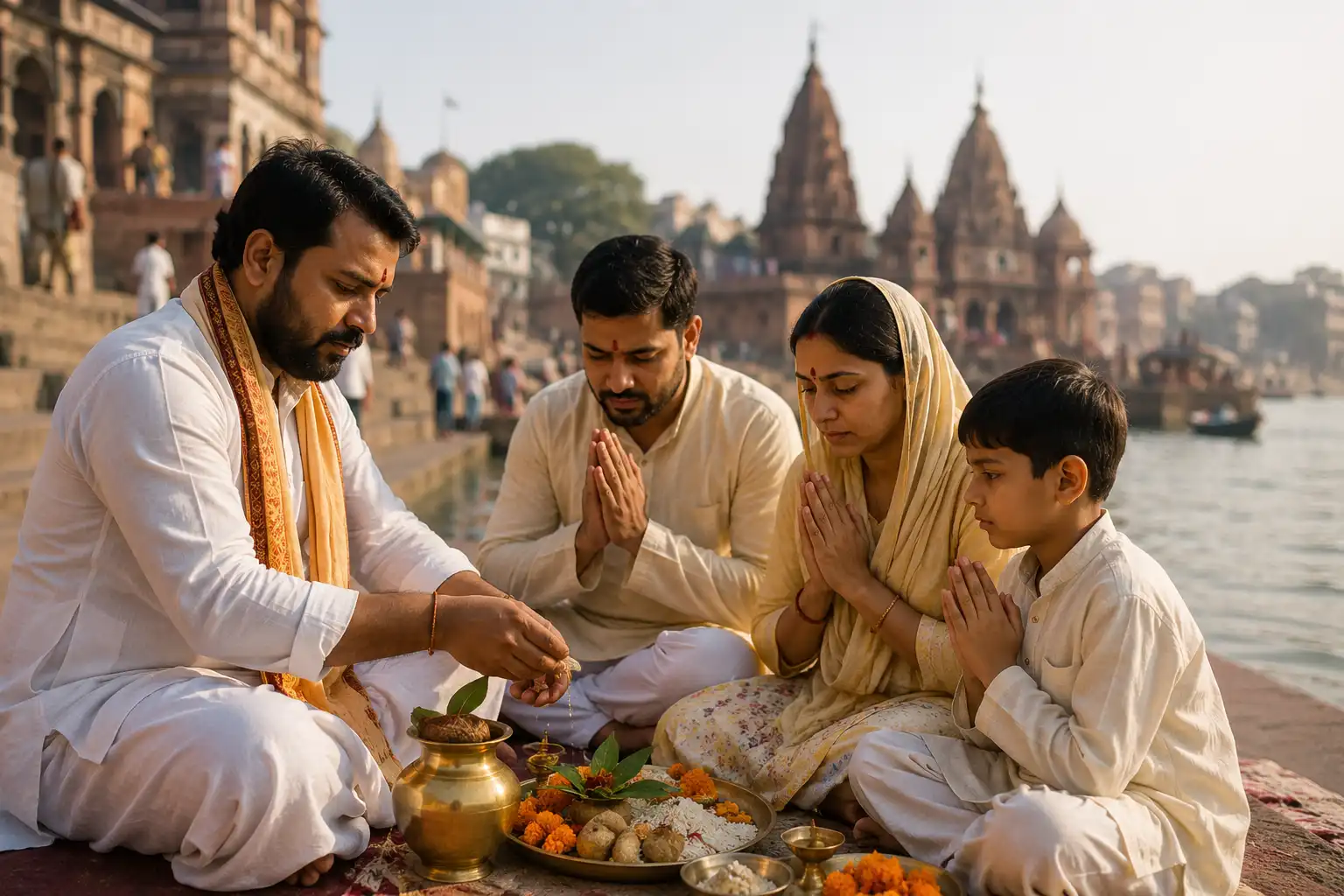
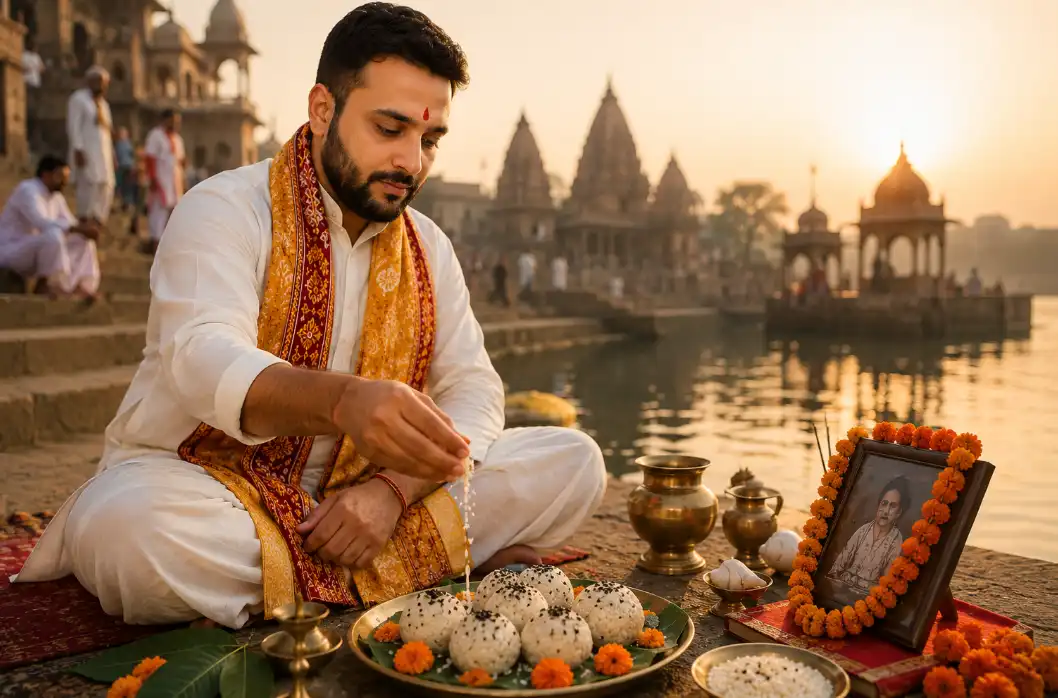
Booking your Gaya Pind Daan ceremony is simple. Advance communication helps us understand your travel plans and prepare the arrangements before your arrival.
Step 1 – Contact Us
Share your preferred travel dates, the purpose of your visit, and the names of the ancestors for whom the rituals will be performed.
Step 2 – Receive Ritual Guidance
You will be informed about the ceremony, required documents (if any), recommended clothing, and the approximate duration of the rituals.
Step 3 – Arrive in Gaya
Upon your arrival, guidance is provided for reaching the meeting point near Vishnupad Temple, where the pilgrimage begins.
Step 4 – Perform the Sacred Rituals
The complete ceremony is conducted according to Vedic traditions at the designated sacred locations, including the Vishnupad Temple, Phalgu River, Akshayavat, and other sites as applicable.
Step 5 – Complete Your Pilgrimage
After the rituals conclude, devotees receive blessings and can continue their visit to other revered temples and pilgrimage sites in Gaya.
If this is your first visit to Gaya Dham, planning ahead can make your pilgrimage more comfortable.
Before You Travel
- Confirm your travel dates in advance.
- Carry a valid ID and any details of your family Gotra if available.
- Wear simple and comfortable traditional clothing suitable for religious ceremonies.
- Follow the guidance of your priest regarding fasting or dietary practices before the rituals.
During the Ceremony
- Maintain reverence at all sacred places.
- Listen carefully to the priest while mantras are being recited.
- Participate with sincerity and devotion.
- Avoid unnecessary distractions while the rituals are in progress.
These small preparations allow devotees to focus fully on the spiritual purpose of their visit.
About Pt. Prasant Bhaiya
Trusted Guidance for Gaya Ji Pind Daan
Performing Pind Daan in Gaya is a deeply personal and emotional journey for every family. For many devotees, it is a once-in-a-lifetime pilgrimage undertaken to honour parents, grandparents, and ancestors according to Hindu tradition. Having experienced guidance during these sacred rituals can make the entire process more meaningful and peaceful.
Pt. Prasant Bhaiya assists pilgrims with traditional Vedic rituals at Gaya Dham, following the customs preserved by the Gayawal Pandit community. Every ceremony is conducted with respect for family traditions, Gotra, and the scriptural procedures associated with ancestral rites.
Whether you are travelling from another state in India or arriving from overseas, you receive guidance before, during, and after the rituals so that your pilgrimage remains spiritually focused and well organised.
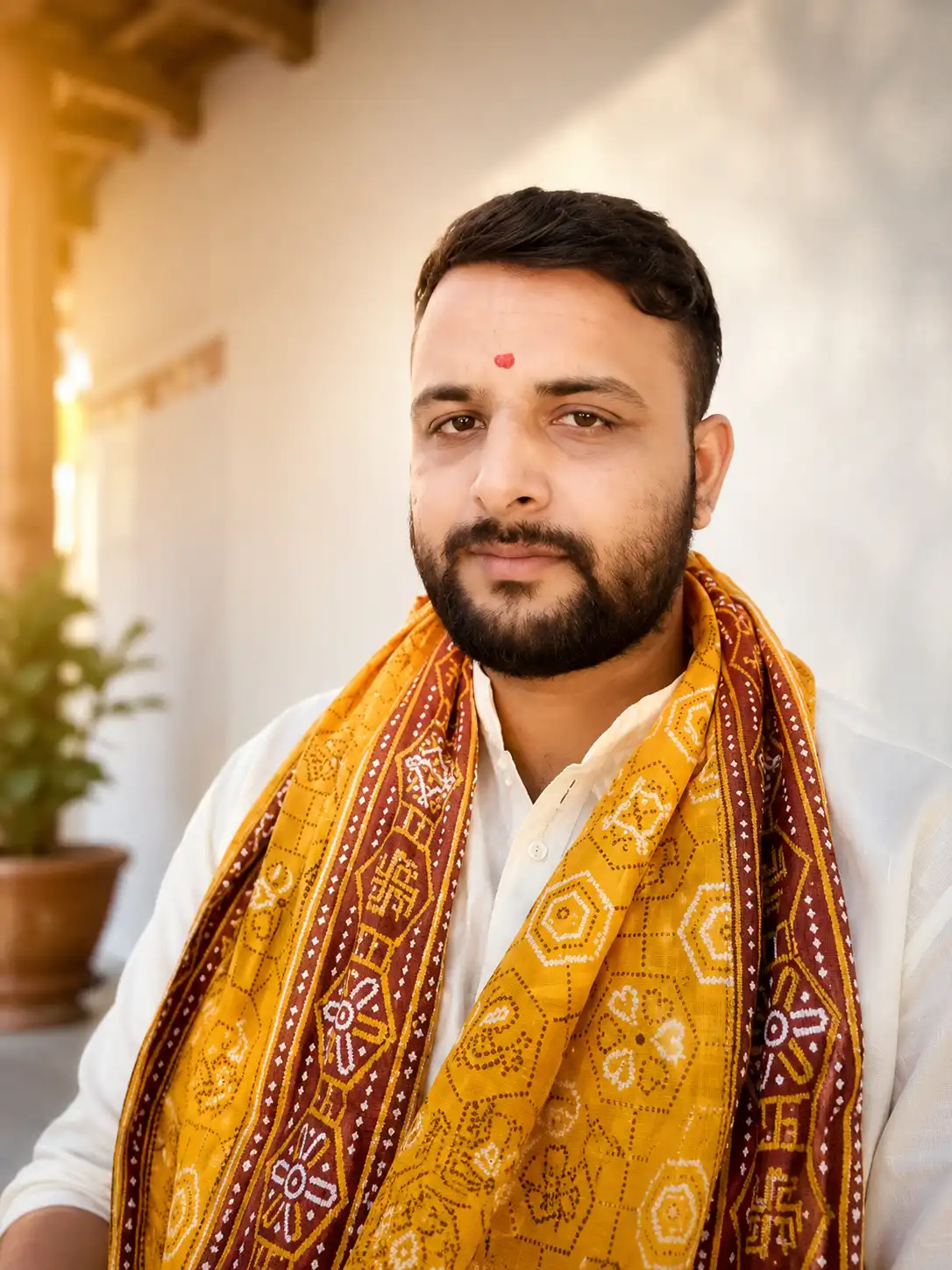
Prashant Bhaiya
Pandit ji
Why Families Choose Our Guidance
Thousands of devotees visit Gaya each year, often for the first time. Understanding the sequence of rituals, the sacred places to visit, and the customs followed in Gaya can feel overwhelming without proper assistance.
Our approach is centred on simplicity, transparency, and respect for tradition.
We Offer
- Traditional Vedic rituals performed according to Hindu scriptures
- Guidance from experienced Gayawal Pandits
- Assistance for devotees from India and abroad
- Ritual planning based on your family tradition and Gotra
- Help in arranging required puja materials
- Clear explanations before every ceremony
- Support throughout your visit to Gaya Ji
- Respectful and organised pilgrimage experience
Rather than rushing through the rituals, every effort is made to ensure devotees understand the significance of each step and perform the ceremonies with devotion.
F. A. Q
According to Hindu scriptures, Lord Vishnu blessed Gaya, making it the most revered place for offering Pind Daan and performing Shradh for departed ancestors.
Yes. Although Pitru Paksha is considered especially auspicious, Pind Daan in Gaya can generally be performed throughout the year according to family traditions.
The duration depends on the type of ceremony and the sacred places included. Many families complete the rituals within one day, while some ceremonies may require additional time.
Knowing your Gotra is helpful, but if you are unsure, the officiating priest may guide you based on your family information.
The pilgrimage commonly includes Vishnupad Temple, Phalgu River, Akshayavat, Pretshila, Ramshila, and other sacred sites depending on the prescribed rituals.
Simple, clean, and traditional attire is generally recommended for religious ceremonies.
Yes. Devotees from around the world visit Gaya each year to perform ancestral rites according to Hindu traditions.
Besides Gaya Pind Daan, guidance is available for Tripindi Shradh, Pitra Dosh Puja, Narayan Bali, Rudra Visarjan, and Pind Daan at Haridwar.